Vegetables are fundamental to a balanced diet, especially for those managing diabetes due to their nutrient density and high fiber content. However, not all vegetables are created equal in terms of their impact on blood sugar levels. This article highlights five vegetables that people with diabetes should consume with caution due to their potential effects on blood sugar spikes or other health concerns related to diabetes management.
1. Butternut Squash

- Overview: Often lauded for its health benefits, butternut squash is a starchy vegetable with a carbohydrate content that can be misleading. While it’s rich in vitamins and low in calories, its carb count varies. Some sources estimate that it provides between 16 to 22 grams of carbohydrates per cup.
- Considerations: Cooking methods like baking can reduce its carb content slightly. Despite being high in carbs, butternut squash has a medium-low glycemic index of 51, making it a better choice than other high-carb vegetables when eaten in moderation.
2. Green Peas

- Details: Green peas are technically legumes but are often categorized as vegetables. A single cup of green peas contains about 20 grams of carbohydrates, primarily complex ones, which have a slower breakdown process.
- Impact: Due to their small size, it’s easy to overeat peas, potentially leading to blood sugar spikes. However, their high antioxidant, fiber, and omega-3 content can be beneficial in small quantities as part of a balanced meal.
3. Celery

- Insights: Celery is a low-calorie snack rich in water content, making it ideal for diabetes management. However, it frequently ranks high on the Dirty Dozen list, indicating a high level of pesticide contamination.
- Risks: Pesticide exposure has been linked to an increased risk of developing diabetes, suggesting that while celery itself is beneficial, the way it is grown may pose health risks. Opting for organic celery can mitigate these concerns.
4. Corn

- Analysis: Corn is a ubiquitous vegetable due to the prevalence of corn-based products like high fructose corn syrup in the American diet. Corn is high in carbohydrates and starch but low in fiber, which can lead to quick blood sugar increases.
- Advice: Corn has a moderate glycemic index but a high glycemic load, meaning it can still spike blood sugar if consumed in large quantities. It’s recommended to enjoy corn in moderation and pair it with foods high in fiber and protein to balance the meal.
5. White Potatoes
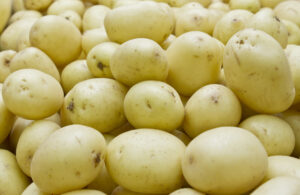
- Context: White potatoes are high in starch and carbohydrates, with one medium potato containing up to 37 grams of carbs. Their impact on blood sugar can be significant, especially depending on how they are cooked.
- Suggestions: Frying or cooking potatoes in unhealthy fats can increase their glycemic impact. Healthier cooking methods like baking or steaming are preferred to retain nutrients without excessively raising carb content.
Call to Action:

Continue to educate yourself on the nutritional profiles of foods and consult with healthcare providers to tailor a diet that supports your health goals. Subscribe for more insights on managing diabetes through diet and lifestyle adjustments.
Conclusion:
While vegetables are essential for a healthy diet, those managing diabetes need to be mindful of the types and quantities of certain vegetables they consume. By understanding the carbohydrate content and glycemic impact of these five vegetables, individuals can make informed choices to maintain stable blood sugar levels. Always consider the preparation method and portion size to maximize the health benefits of vegetables while managing diabetes effectively.